October 1, 2026
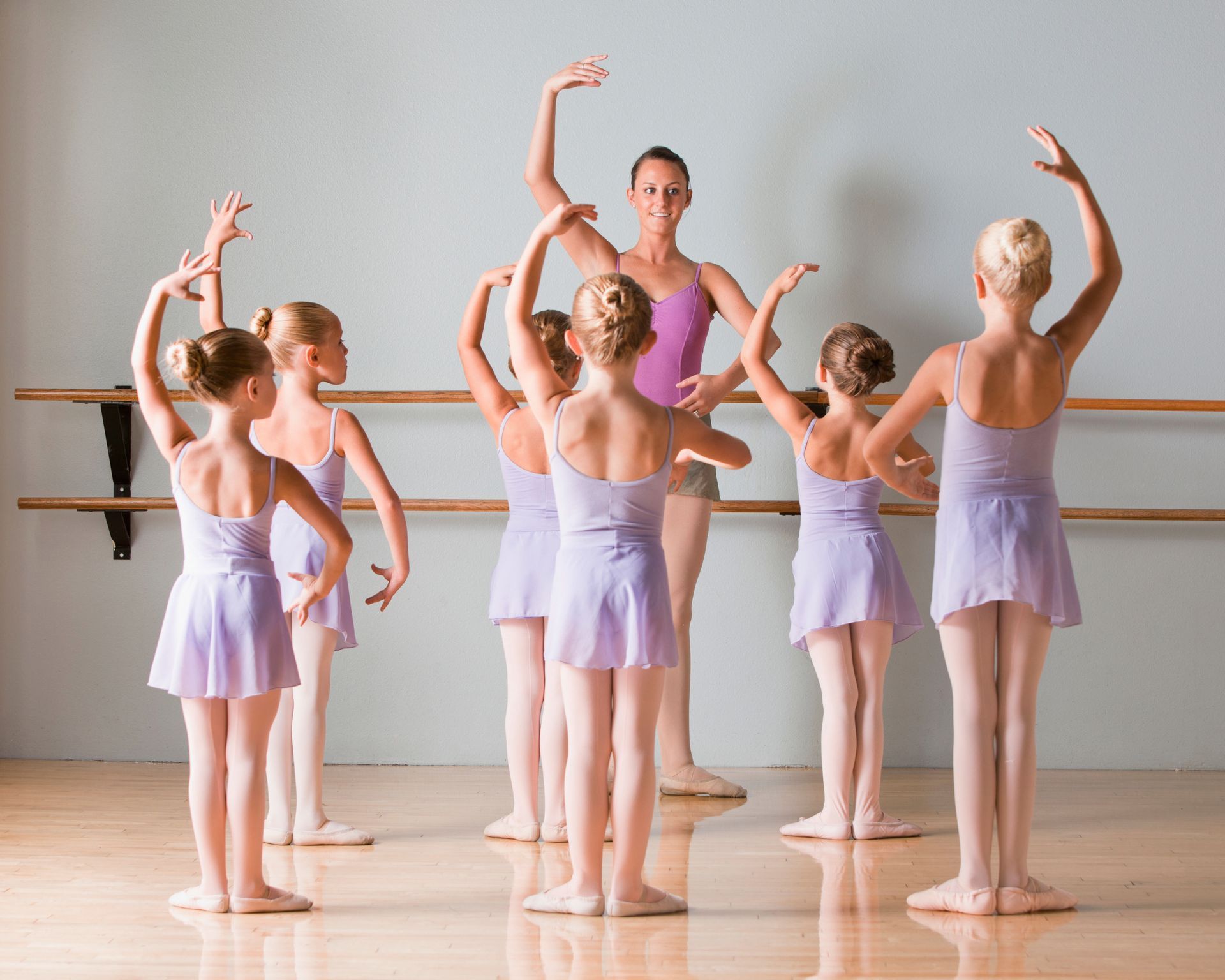
A strong dance program begins with an environment where students can feel comfortable learning new movements, meeting classmates, and developing confidence. Great local dance classes should provide an organized setting that encourages participation while recognizing that students arrive with different personalities, abilities, and goals. Instructors can create a positive atmosphere by giving clear direction, demonstrating movements carefully, and maintaining appropriate expectations throughout each lesson. A welcoming environment can help students remain engaged and make dance a consistent part of their weekly routine. Families may also appreciate programs where communication, scheduling, and classroom expectations are clearly explained from the beginning. Families may also want to know how new students are introduced to classroom routines and expectations. Clear guidance about participation and preparation can make early lessons easier to navigate. Local dance classes can feel more approachable when families understand these details before the first session.
Review Instructor Experience and Teaching Methods
The instructor has a major influence on how students experience dance training. Experienced teachers should understand how to explain movement in ways that are appropriate for the student's age and level while maintaining a structured class environment. Effective instruction can include demonstrations, verbal cues, repetition, corrections, and encouragement so students have several ways to understand a new technique. Parents and students can also look for instructors who balance discipline with patience and make expectations understandable. When teaching methods are consistent, students can build skills progressively instead of approaching every class as an unrelated lesson.
Compare Classes for Different Skill Levels
Dance programs often serve students with varying levels of experience, so class placement can make a meaningful difference. Beginners generally need instruction that introduces foundational movements at a manageable pace, while more experienced dancers may benefit from lessons that build on established techniques. Great local dance classes should make level expectations clear so students can enter an appropriate learning environment. A suitable placement can help students participate confidently without feeling overwhelmed or insufficiently challenged. Families should also consider whether the program offers opportunities to progress as students develop additional skills. Families can also ask how instructors determine whether a student is ready to advance. Progress may involve technique, coordination, participation, or applying previously learned movements. Local dance classes should give students room to improve at an appropriate pace without turning advancement into a competition.
Evaluate Dance Styles and Class Options
Different dance styles emphasize different techniques, movement patterns, musical qualities, and performance approaches. A well-rounded studio may offer options such as ballet, jazz, tap, hip-hop, contemporary, lyrical, or other forms of dance depending on its program. Students can explore styles that match their interests while also discovering disciplines that introduce unfamiliar skills. Great local dance classes should provide clear descriptions of what each class teaches, including the expected experience level and general focus. Understanding these differences can help families choose classes that align with a student's interests and create an enjoyable learning experience.
Observe Classroom Structure and Progression
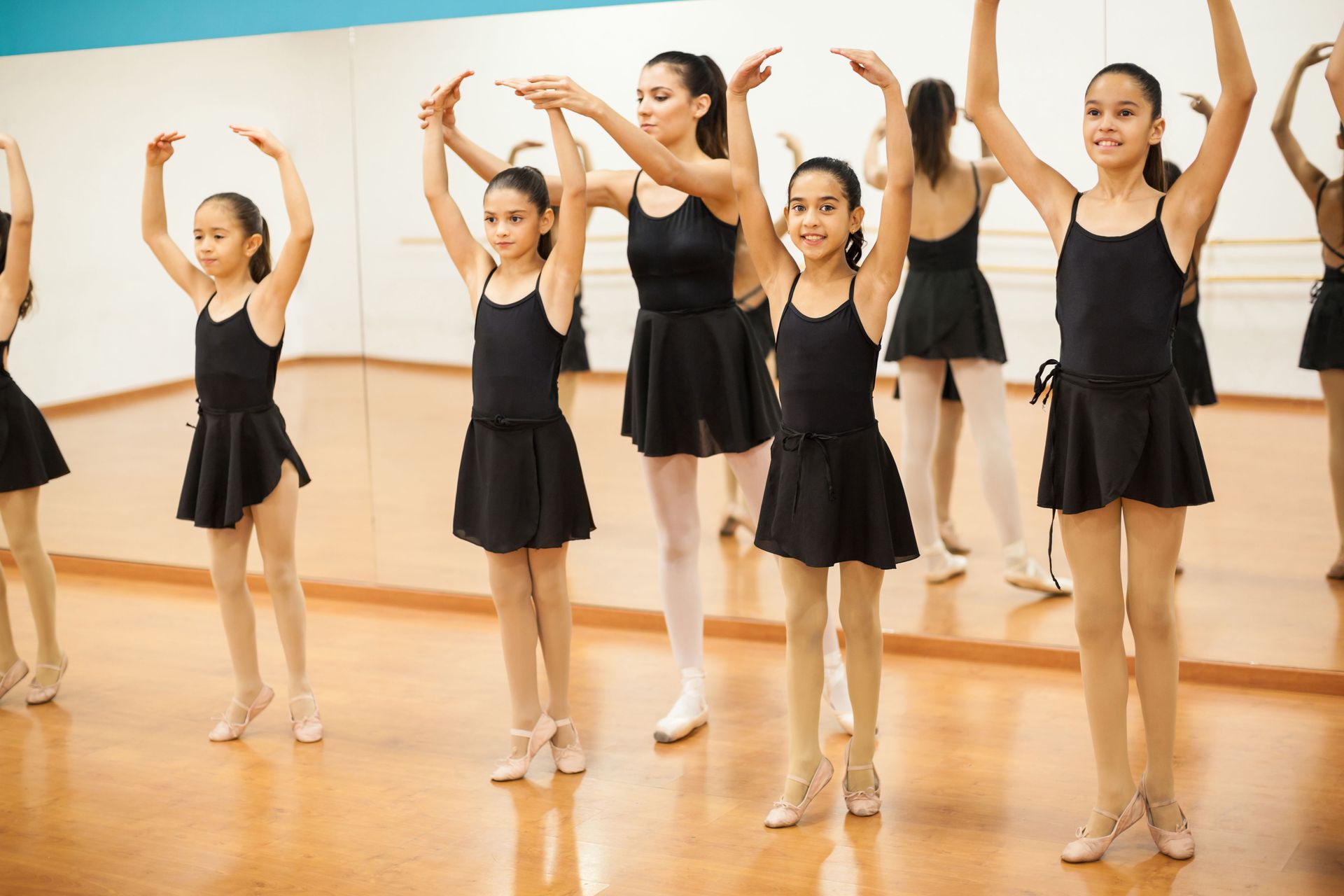
A productive dance class typically follows a recognizable structure that allows students to prepare, learn, practice, and apply new movements. Warm-ups can prepare the body for activity, while technique exercises may focus on balance, coordination, flexibility, musicality, or other foundational skills. Students may then work on combinations or choreography that allows them to apply what they have practiced. Great local dance classes should provide enough repetition for students to develop familiarity while introducing new material at an appropriate pace. A consistent structure can also help students understand what is expected as they move through different portions of a lesson.
Consider Physical Safety and Appropriate Instruction
Dance involves physical movement, so responsible instruction should account for student safety and age-appropriate training. Teachers can explain movements clearly, monitor classroom conditions, and provide corrections that help students use appropriate technique. Class activities should be suitable for the students' developmental levels rather than relying on movements or demands that exceed their preparation. Studios should also maintain an organized space where students have sufficient room to participate in planned activities. These considerations can help families understand how a dance program approaches the physical side of training. The learning environment also depends on how instructors manage different learning needs within one group. Some students learn quickly through demonstrations, while others benefit from repetition or verbal explanation. Local dance classes can accommodate these differences when teachers remain attentive to individual progress.
Build Confidence Through Consistent Practice
Dance education involves more than learning choreography because students can also develop coordination, concentration, musical awareness, and confidence over time. Regular attendance gives students opportunities to repeat foundational skills and become more comfortable performing movements in front of others. Teachers can reinforce progress by recognizing improvement and providing constructive guidance when students encounter challenges. This process can help students understand that progress often develops through consistent participation rather than immediate mastery. A supportive class can therefore encourage students to stay engaged as their abilities continue to develop.
Encourage Teamwork and Performance Skills
Many dance programs provide students with opportunities to work alongside classmates, which can strengthen communication and cooperation within the classroom. Group combinations require dancers to pay attention to timing, spacing, musical cues, and the movements of others. Performance opportunities can introduce additional skills, including stage awareness, memorization, presentation, and preparation. These experiences may be especially valuable for students who enjoy performing or want to become more comfortable in front of an audience. A studio can support these goals by making performance expectations clear and giving students appropriate opportunities to practice.
Understand Scheduling and Family Communication
A successful dance program should make practical information easy for families to understand. Schedules, class levels, attendance expectations, recital information, and other program details can affect how easily students participate throughout the season. Clear communication helps families plan around lessons and understand what students may need as they progress. According to IBISWorld, the United States has 14,622 businesses operating in the dance studios industry, illustrating the broad presence of dance education and studio services across the country. With many programs available, families can compare class structures, communication practices, and scheduling options when considering where a student may fit comfortably. Families may also value programs that provide clear updates throughout the dance season. Regular communication can clarify schedule changes, activities, class milestones, and performance information. Local dance classes become easier to manage when parents know where to find current information and understand studio expectations.
Look for Opportunities to Grow
Students often benefit from dance programs that provide a pathway for continued development rather than limiting instruction to a single experience level. As dancers gain confidence, they may want to explore additional styles, more advanced technique, choreography, or performance opportunities. A studio that clearly explains progression can help families understand what students may pursue as their interests and abilities change. Great
local dance classes can become part of a longer learning experience when students have appropriate opportunities to build on previous instruction. Progression should remain manageable so students can develop skills without losing the enjoyment that brought them to dance in the first place.
Extravadance & Tumble provides a structured environment where students can learn dance while developing coordination, confidence, and performance skills. We understand that every student enters class with different interests and experience, so our program can help families identify options that fit their needs. Our instructors focus on clear instruction, positive classroom experiences, and opportunities for students to grow as dancers. If you are exploring dance education for your child, contact Extravadance & Tumble to learn more about our classes, scheduling, and available opportunities.